Showing posts with label Presbyterian Mission Agency. Show all posts

Sunday, December 26, 2021

Today in the Mission Yearbook - Pandemic forces more Philippine families into poverty

Presbyterian Mission Agency partner feeds children’s bodies and spirits

December 26, 2021

The Children’s Rehabilitation Center in the Philippines purchased a tricycle to deliver supplies to children door to door. (Photo courtesy of the Children’s Rehabilitation Center)

As in many other places in the world, the global pandemic has pushed millions of Filipinos and their children further into poverty. But a global partner of the Presbyterian Church (U.S.A.), the United Church of Christ in the Philippines (UCCP), has responded in creative ways not only to feed the children’s bodies but to deal with their psychosocial needs as well.

As part of the partnership with the UCCP, PC(USA) mission co-worker Juan Lopez has been working with an organization that defends children’s rights. Lopez facilitates trainings for staff and volunteers of the Children’s Rehabilitation Center (CRC). During the pandemic, the CRC continued its outreach to children with the Bulilit Pantry.

Lopez talked with Kim Vinzar Samania, who serves as deputy director and social worker for CRC. He said the UCCP is an important partner in protecting children. In a recent chat with Lopez, he said, “The UCCP churches have been longtime CRC partners in defending children’s rights. Different activities include hosting discussions or seminars about children’s rights, how to help communities, and how the Church can respond to the psychosocial needs of the children in the community.”

Samania said the first community food pantry was in Maginhawa, which started a movement. CRC’s “Children of the Storm” team already had the idea of making the community pantry inclusive of children but took it further. “What if we could put a Bulilit (“undersized”) pantry so the community could also help the children?”

The team decided to create a small pantry to give books, toys and coloring books to children.

The Children of the Storm task force is a consortium of five different child-focused organizations: Children’s Rehabilitation Center (CRC)’s Salinlahi (“generation”), Alliance for Children’s Concerns, Association for the Rights of the Children Southeast Asia, Batibot Early Learning Center, and Parents Alternative on Early Childhood Care and Development Inc. The consortium was formed in response to the devastation caused by Typhoon Ondoy. It has been responding since then to typhoons, floods and other calamities in the Philippines, providing relief efforts for children.

Getting supplies to the children presents challenges. Children are not allowed to line up at the pantry because of health protocols, so parents come on behalf of their children. The organization also purchased a large tricycle for door-to-door deliveries.

The Anti-Terrorism Act, enacted on July 3, 2020, by President Rodrigo Duterte, has complicated the ability of many organizations to provide aid to the people of the Philippines because it allows the government to broadly define terrorism to include anyone who speaks against the government.

“The pantry initiative inspired people from all across the country, despite the pushback from the authorities,” said Lopez. “Most of the neighborhoods had a temporary pantry to answer to the need of the most vulnerable. Most of them had quotes from the Bible to show that it was about compassion and care, and no law could stop that.”

Even before the food pantry began operation, CRC and its partners were vocal about their opposition to the law’s vague definition of terrorism.

“The CRC has been a victim of public vilification, red-tagging perpetrated by the state,” said Samania. “During the pandemic, the CRC had to delay their distribution of goods because of the threats and difficulty to travel due to the pandemic restrictions. At the beginning of the pantry movement, the National Task Force to End Local Communist Armed Conflict already released statements tagging the organizers of the community pantry in Maginhawa as terrorists and communist pawns. They said that those pantries were led by the Communist Party, because they were too well organized to be coming only from regular citizens.”

He said many community organizers have stopped providing help because of the threats.

“This pandemic impacts the body, mind, cognitive skills, education, development and mental health of the children,” he said. “The economic situation caused some families to engage in dangerous activities that threaten the welfare and rights of the children.”

Samania says there has been an increase in gender-based and domestic violence, as well as an exponential increase in sexual exploitation of the children. The structure was not in place for online learning, and many did not have access to computers.

Kathy Melvin, Director of Mission Communications, Presbyterian Mission Agency

Let us join in prayer for:

Kristen Gaydos, Communications Director, Presbyterian Historical Society
Michael Gehrling, Associate, Northeast Region & Assessments, 1001 New Worshiping Communities, Presbyterian Mission Agency

Let us pray

God, you connect us to you and to each other in so many ways. Help us to inspire as we are inspired, to challenge as we are challenged to nurture as we have been nurtured, and to live in order to make Christ known to all the world. Amen.

Friday, July 31, 2020

Here for a Reason


A Letter from Bob and Kristi Rice, serving in South Sudan

July 2020

Write to Bob Rice
Write to Kristi Rice
Individuals: Give to E200429 for Bob and Kristi Rice’s sending and support
Congregations: Give to D507528 for Bob and Kristi Rice’s sending and support
Churches are asked to send donations through your congregation’s normal receiving site (this is usually your presbytery)
In Matthew 25, Jesus tells three parables – the parable of the ten virgins, the parable of the talents, and the parable of the sheep and the goats. Within these three parables, Jesus interweaves themes worthy of reflection, instructing his disciples to “keep watch” and be ready, to be faithful with what they have been given, and to care for the “least of these” in their midst. Perhaps, in the final analysis, our faith will be authenticated or invalidated according to these themes. Such ponderings can arouse soul-searching questions in us, such as “Am I a sheep or a goat? Am I a wise or a foolish virgin? Do I use my resources and gifts to serve our world better?”
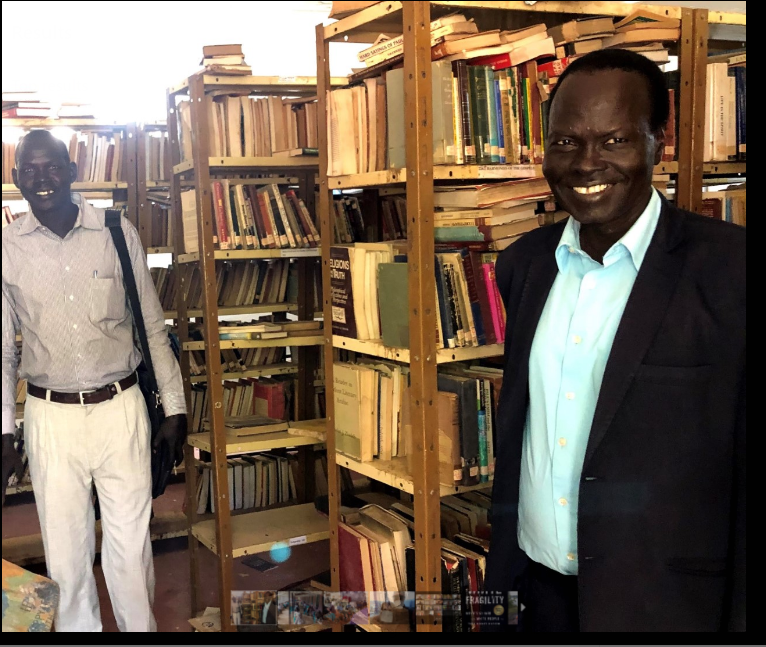
The day before Kristi and I were requested by our mission leadership to leave South Sudan for the United States in late March, the government of South Sudan issued a declaration to close all schools. A few days later, the government issued a lockdown that limited movement, prohibited public gatherings, and forced many businesses to close temporarily. While Nile Theological College (NTC), where I teach, closed during this lockdown, members of the faculty continued to meet in a safe way, praying about the situation, and seeking ways to remain engaged with the students. Their first action was to create a Facebook Messenger group to communicate easily with each other. The second action was to request students to come individually to the college to pick up notes and assignments from their teachers so that they could study from home. The third action NTC took was to gather students in small groups, socially distanced, to listen to teachers lecture from a remote location via WhatsApp on their phone. Sadly, the weak internet connection in South Sudan foiled this plan. Lastly and most recently, the administration of NTC solicited the help of two larger churches in Juba, requesting the use of space so that students could safely social distance while being instructed in an intensive format so that they could finish the semester.
I have been impressed by Rev. Santino Odong, the principal, and members of the faculty who have persisted in their efforts to serve the students and to remain faithful to the calling of preparing leaders to serve the peoples of South Sudan. Despite limitations and grave challenges, they kept hope alive and found creative solutions to intense problems. Like the wise virgins, they kept “enough oil” on hand to accomplish their task. Like the shrewd holders of talents, they took risks and expanded their influence by finding partners who could help them. Like the sheep, they were aware of their students’ needs, a group often marginalized and forgotten. I am inspired by Rev. Santino and my NTC colleagues, who remain in Juba.
Kristi and I feel challenged by these parables of Jesus as we have had to leave our home, our ministry, and our life in South Sudan. We wept and rebelled in our spirits as we left our beloved country of service. Had we buried our talent? Had we abandoned our post? Upon our return to the United States, there were many days when we felt divided in spirit, recognizing the wisdom in our return but feeling grief over leaving. Over time, we have come to realize that God has us here for a reason. We have had unique opportunities to connect virtually with colleagues, family, and friends, which have sustained and strengthened us during the pandemic.
We have been able to support others and be supported during these tumultuous months. We have had opportunities to reflect more deeply upon the challenges we find in the U.S. regarding systemic racism. We have been challenged by the protests over the death of George Floyd and other African American men and women and the continued police brutality against people of color. There is an ongoing need for repentance, healing, restoration, reconciliation, and peace.
We have read, listened, and engaged with African American and other concerned and prophetic voices who are helping us understand what it means in our United States context to act justly, to love mercy, and to walk humbly with our God (Micah 6:8). We will keep learning, keep growing, keeping asking, and keep seeking to know how to stand with the poor, the marginalized, the stigmatized, the oppressed, the harassed and harangued persons, and peoples of color, for that is where Jesus dwells. Are we sheep? Are we watchful and ready? Are we taking risks in our faith journey? Only God knows, but we are trying, we are hoping, we are praying, and we are taking steps towards action. We trust that God has us here for a reason.
Friends, we want to express to you from the bottom of our hearts how grateful we are for your ongoing prayers and financial support, which sustains us and our ministry. We do not know when we will return to South Sudan, but we invite you to pray with us for that “window” to open so that we can return home. May God grant you strength, wisdom, courage, love, and compassion for the days ahead.
In Christ,
Bob and Kristi

Read the latest from Bob and Kristi Rice-Presbyterian Mission Agency


Your mission co-worker has posted an update. Catch up with how God is at work in this part of our world.
Here for a Reason
07/28/2020 15:57
A Letter from Bob and Kristi Rice, serving in South Sudan | July 2020
The post Here for a Reason appeared first on Presbyterian Mission Agency.
We are so grateful for your prayers and support of our mission co-workers and global partners!

Your Presbyterian World Mission staff team
Presbyterian Church USA
100 Witherspoon Street
Louisville, KY 40202
United States

Thursday, April 16, 2020

The latest from Bob and Kristi Rice - Presbyterian Mission Agency


Healing Hearts in Rwanda

Write to Bob Rice
Write to Kristi Rice
Individuals: Give to E200429 for Bob and Kristi Rice’s sending and support
Congregations: Give to D507528 for Bob and Kristi Rice’s sending and support
Churches are asked to send donations through your congregation’s normal receiving site (this is usually your presbytery)
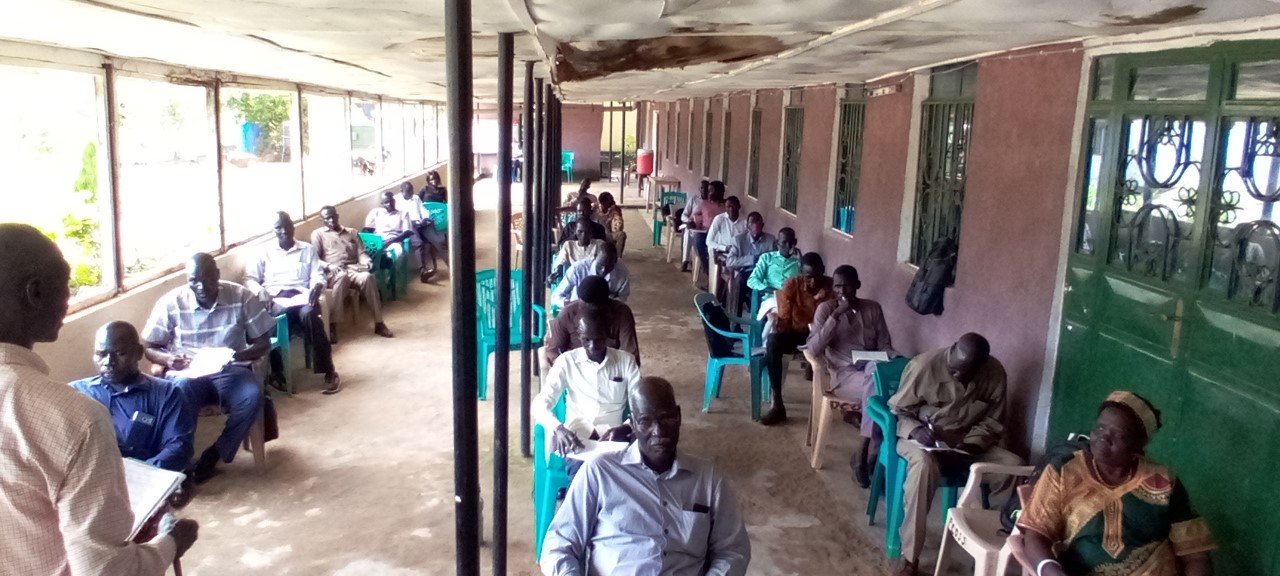
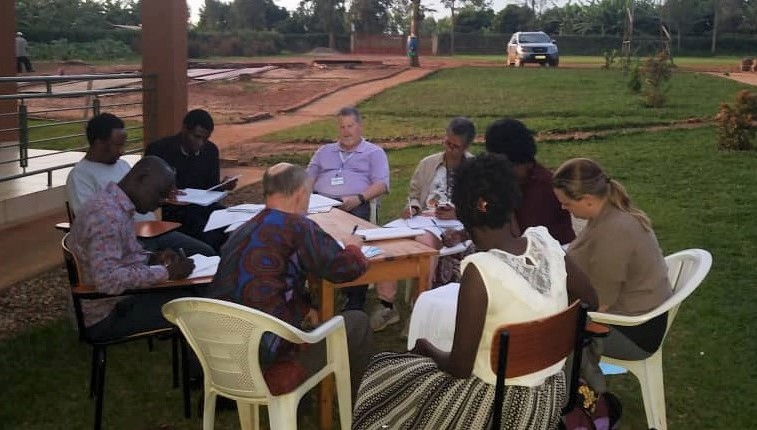
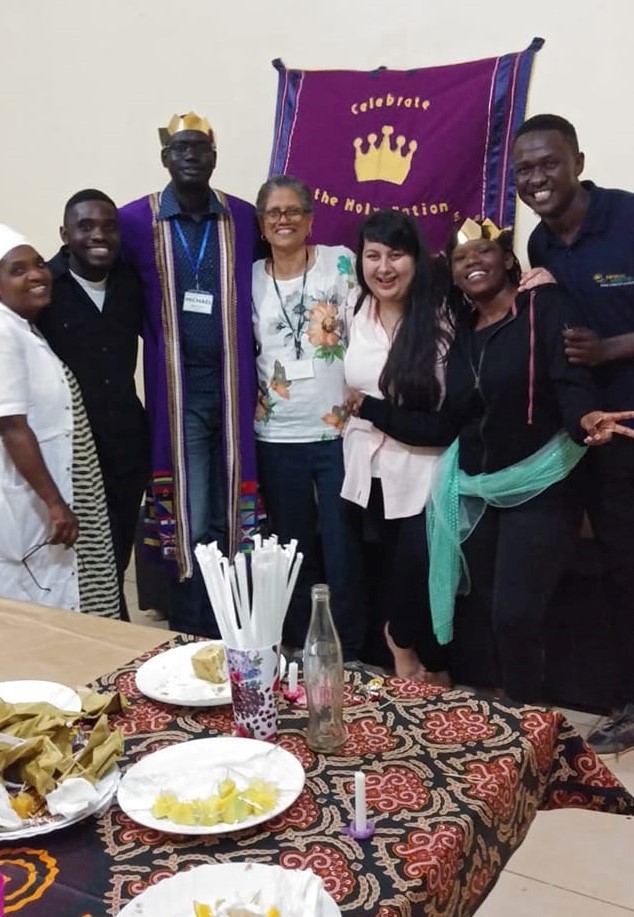
In March our partner the South Sudan Presbyterian Evangelical Church (SSPEC) sent 4 people to Rwanda to be trained at the International School of Reconciliation. Michael, Kuat, Suzan, and Toma joined participants from fifteen countries, led by facilitators from 3 different continents in a workshop called Healing Hearts, Transforming Nations. It was an intense two weeks of learning, sharing, facing the wounds in our own hearts and in the world, and working together across different cultural divides. Their training in Rwanda was cut off a few days early as the Coronavirus crisis heated up and countries in our region closed their borders and imposed travel restrictions. The church leaders had to change their flights multiple times and had quite an adventure returning to Juba—but they all insisted that the training was well worth it!
As we debriefed together, Kuat shared his own story. “My father was killed in 1983 when I was a child, so I am a victim of ethnic conflict. I prayed many times, and said ‘I forgive them, because they didn’t know what they were doing.’ But I didn’t really forgive in my heart. In this course I realized that pain was still in my heart, and I had the opportunity to acknowledge it, to give it to Jesus and ask him for healing. After thirty years, I am finally experiencing healing for my father’s death. And I realized that South Sudan is very similar to Rwanda. We can learn from them!”
Suzan affirmed, “The session called ‘Forgiving is not forgetting’ was really powerful for me. Because if someone hurts you, it is not easy to heal and forgive. It is not just a matter of saying ‘I’m healed.’ So I’m experiencing some healing of the wounds that I had. I don’t have the dreams anymore or the fears that I was having before. I really experienced healing in Rwanda.”
“This training was holistic,” said Michael. “Not just healing of wounds, but also coming together again with other people. We learned how we are called to be a holy nation and priests of God like the Bible says in 1 Peter 2:9, and how our identity as God’s people can connect us across our national or tribal identities.”
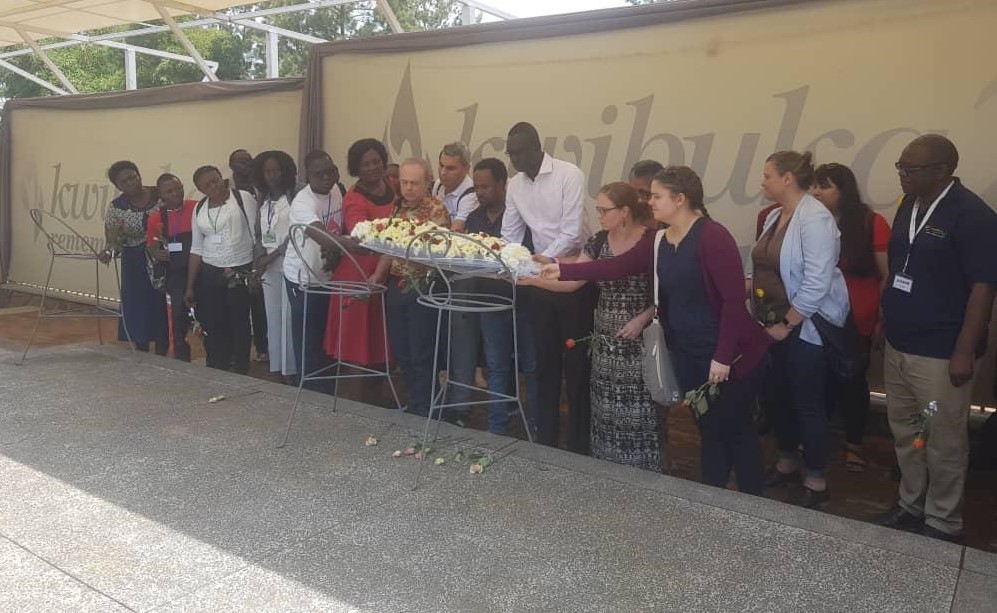
As part of the school, they visited a ‘peace village’ in Rwanda, where perpetrators and victims of the 1994 genocide live together in intentional community. “This gave us courage and motivation to implement this in South Sudan,” said Suzan. “We were really surprised to see offenders and victims living together. We realized that what happened in our country was not much worse than what happened in Rwanda, so it gave us courage that there could be reconciliation in South Sudan.”
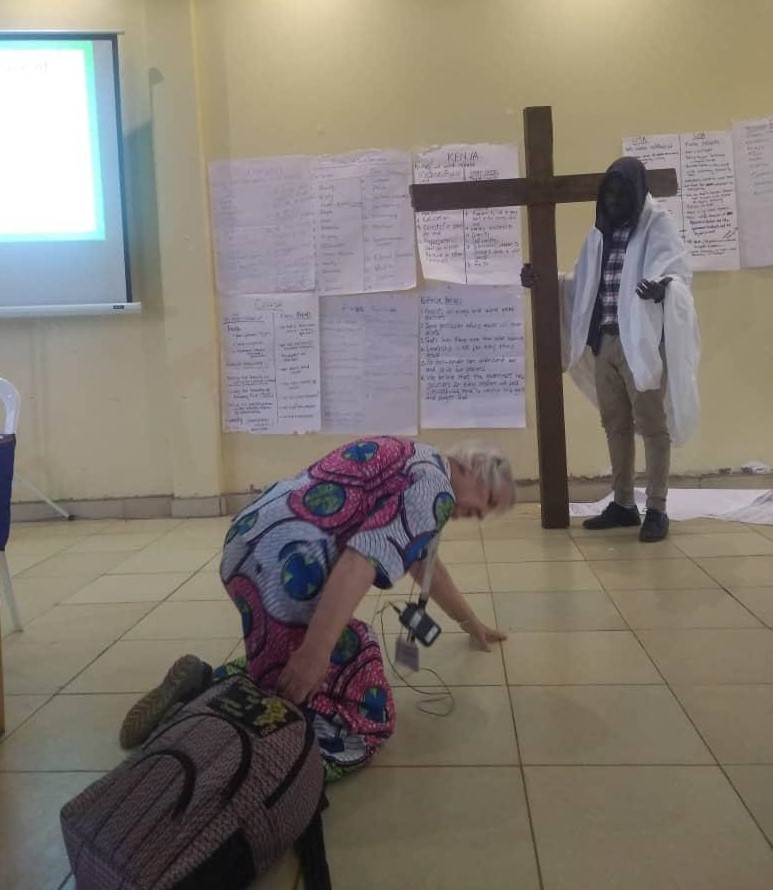
I asked them how this training was different from other trainings they have participated in related to reconciliation and healing. Kuat shared, “This one is very practical, not just theory. You see people experiencing inner healing right there in the workshop.” Michael adds, “This workshop added reconciliation to the healing. In this workshop you bring your burden to the cross, but you do not go home empty-handed. You exchange your burden or pain for the joy or freedom or healing that Jesus gives. You leave with something lighter. I realized after you are healed, you can take the wrong that was done to you and put it on the cross, and then you see the person that wronged you as a person created in the image of God, a brother you can connect with, rather than just seeing the wrong that they have done.”
Toma, a new pastor serving in a rural area, said, “I felt like this training was a mirror. It showed me how I have been teaching and living out of my own woundedness. We have been bound by so many wounds from our neighbors. We claim that we are doing ministry the right way, but we are not. The dramas and the practical exercises that we did helped us to understand these truths and experience healing, and now I come with freedom in my heart. Other workshops talk about reconciliation practically and physically, but this one starts from the inner side. Indirectly, reconciliation is a result when a person experiences healing.”
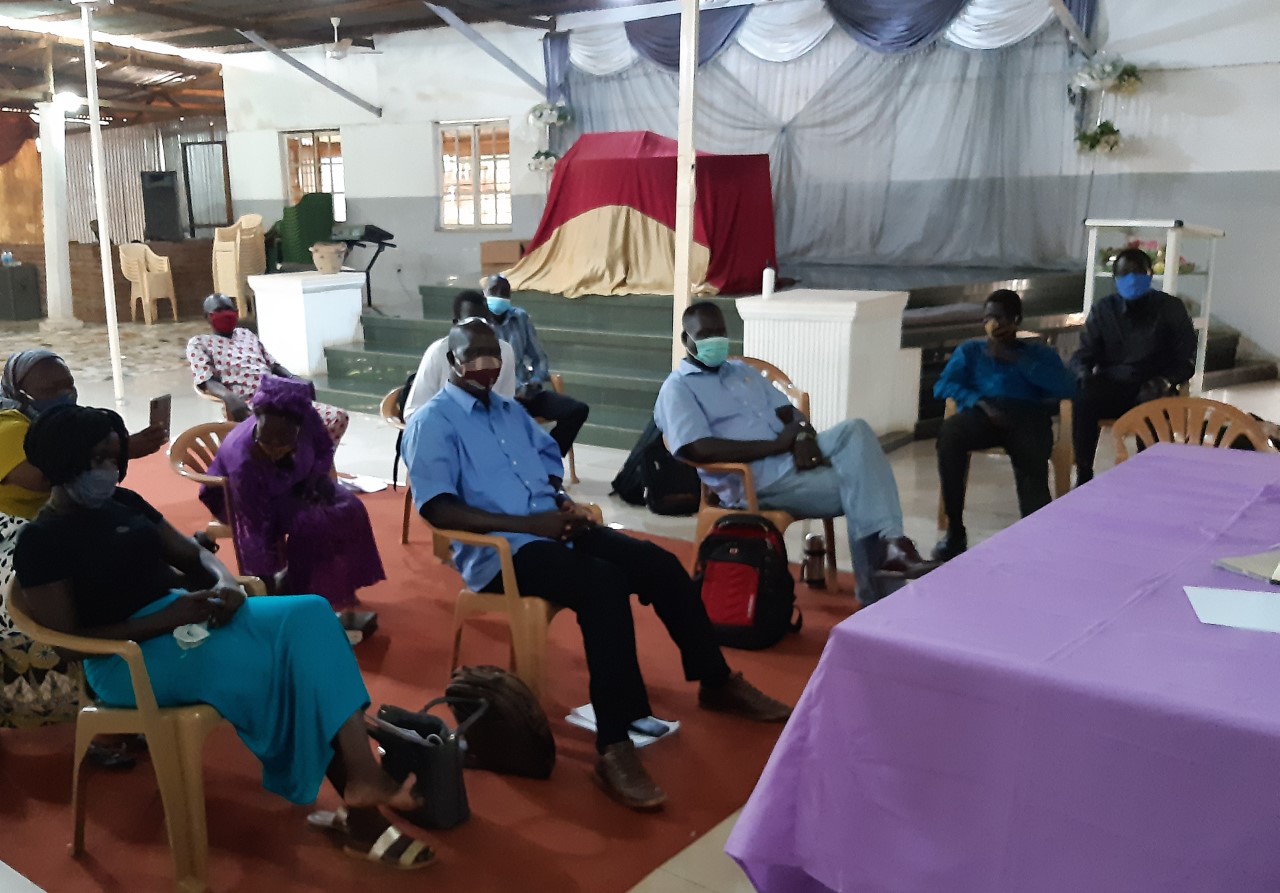
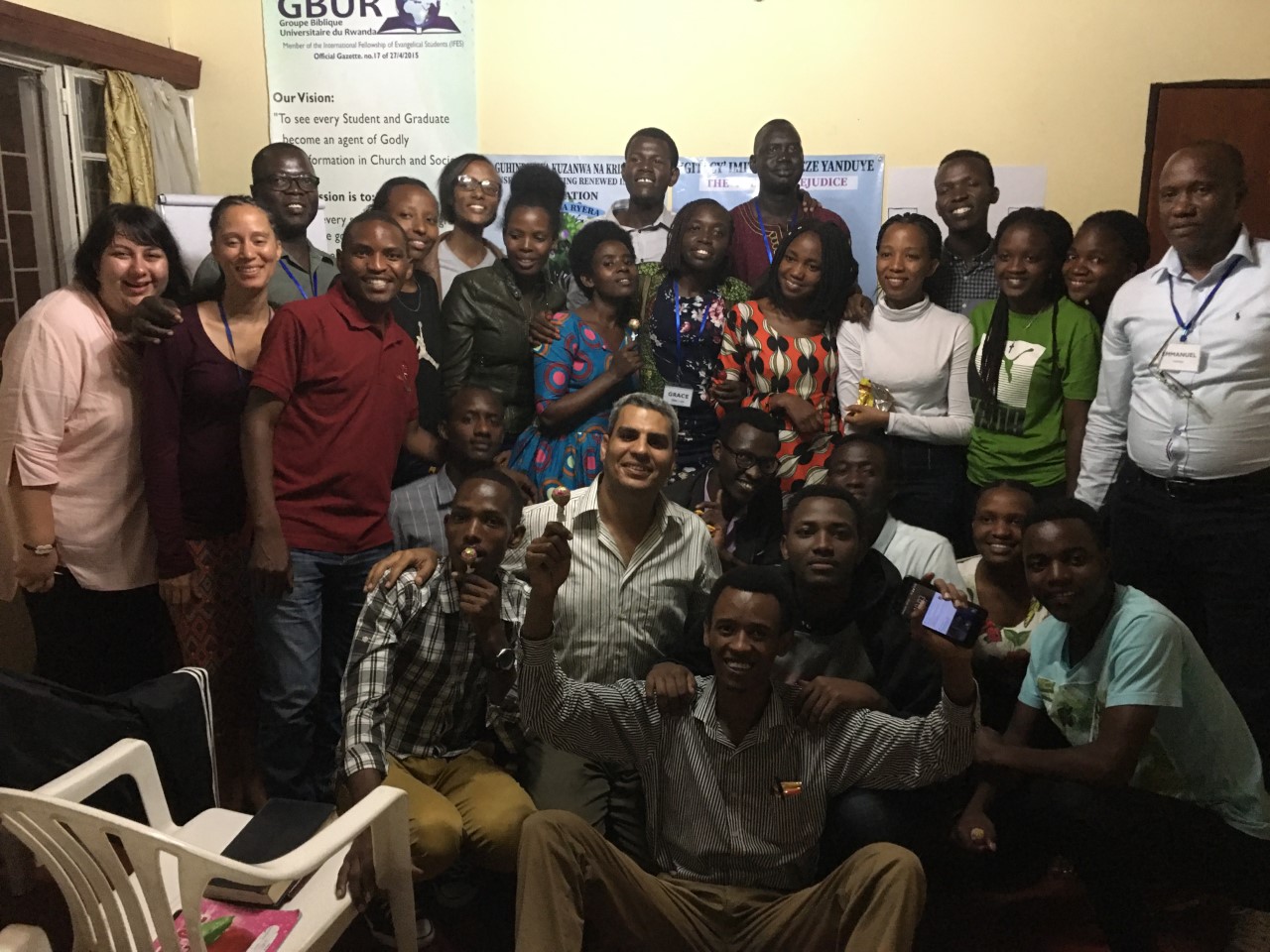
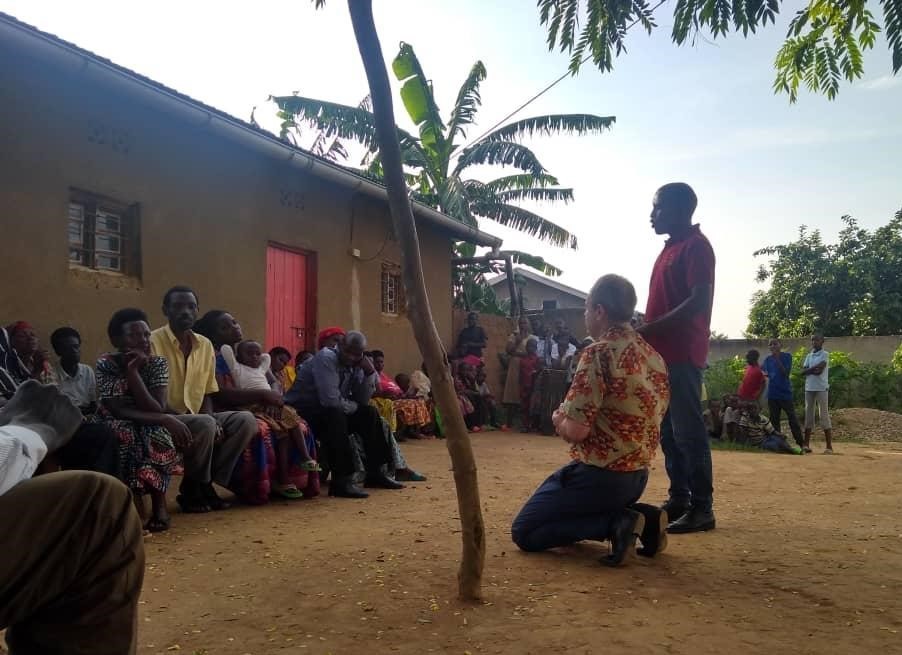
The last few days of the school in Rwanda are set aside for a practicum, where participants teach and facilitate in actual workshops around Rwanda. Michael was assigned to facilitate a workshop for university students, and he said that the experience was very moving and transformative for many of the students. The other practicums were cancelled as Rwanda imposed restrictions due to the Coronavirus and everyone scrambled to get home before borders closed. Now Kuat, Michael, Suzan, and Toma join a small group of trained facilitators in South Sudan who are conducting “Healing Hearts, Transforming Nations” workshops. They look forward to conducting workshops and helping others to experience healing—as soon as groups are allowed to gather again when the threat of the Coronavirus desists.
Please pray for SSPEC as they help people to find healing from the wounds of the past and maintain hope during the current virus crisis. Michael shared a final reflection from the training that felt like a timely encouragement to all of us: “We were told that ‘God believes in you. God has hope in you! As weak as you are, even if you are not educated, God can work through you!’ So we realize that as weak as we are, God can do something through us.”
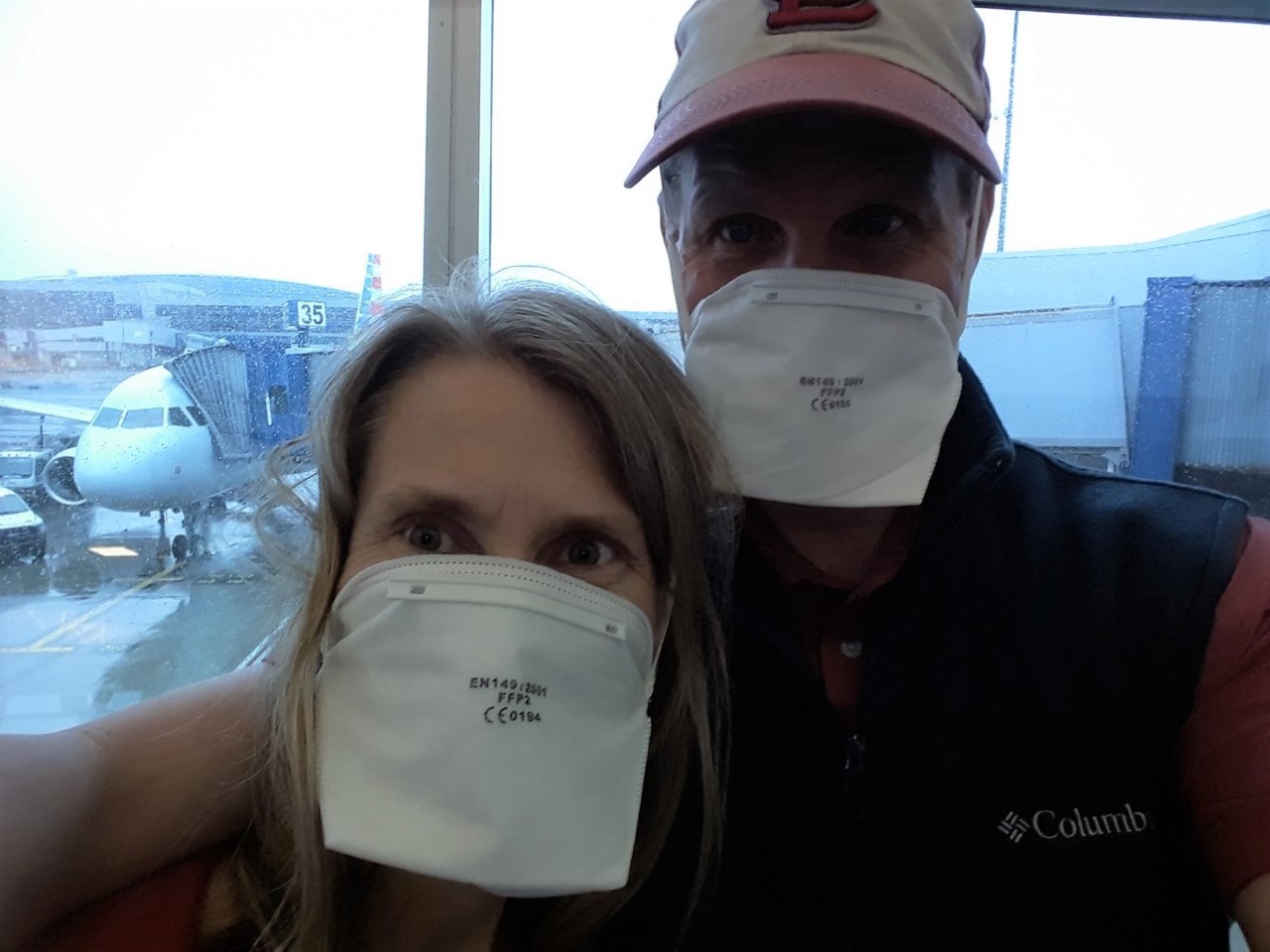
On a personal note, in light of the growing Coronavirus crisis, Presbyterian World Mission requested all mission co-workers to return to the U.S. if possible. We were able to talk with our South Sudanese colleagues, and they were very understanding and supportive of our temporary exit, having experienced times of crisis and displacement themselves. We made quick plans to leave, and are now back in the U.S., praying and waiting with you for an end to this crisis. We love to hear from you, and you can always contact us at bob.rice@pcusa.org or kristi.rice@pcusa.org.
In Christ,
Bob and Kristi

Wednesday, April 8, 2020

New Church New Way April 2020

Links of Love
1001 responds to COVID-19 quarantine measures
The 1001 team has planned and hosted a series of Zoom webinars to address the urgent needs of leaders across the Church.
Speaking to a max capacity group of 300 pastors, the Rev. Marthame Sanders provided helpful technical tips for leading worship through digital platforms such as Facebook Live and Zoom. Marthame is the founder of "Aijcast," a podcast 1001 New Worshiping Community and the producer of the 1001 podcast "New Way."
On March 26, we hosted three pastors of churches and new worshiping communities in the PC(USA), along with ELCA pastor the Rev. Emily Scott to discuss creating community and intimacy in our digital gatherings.
Following those events, Mission Engagement Specialist Jon Moore and Princeton Abaraoha, pastor of First Presbyterian Church in Midlothian, Texas, provided help to NWC leaders on maintaining offering income and raising funds during times of crisis. And on Maundy Thursday, our coaching associate Jeff Eddings hosted a midday prayer gathering for leaders — providing a moment of quiet and connection to God and one another via Zoom.
Find out information about our next Zoom conversation below — and know that we're also working on making these conversations available Facebook Live.
Grace and Peace,
Nikki signatureNikki
Financial support image
Coming April 16: Caring for the Caregiver — a Zoom Conversation with Presbyterian Disaster Assistance
How do pastors and new worshiping community leaders care for themselves while responding to the unique demands of this time — working from home, learning new ways to connect with parishioners, being present with the grieving, and tending to our families and responsibilities with new restrictions and daily rhythms? The PDA staff will share resources for building resiliency, even in the midst of pandemic, on Thursday, April 16, at noon EDT. Participation is limited to 300 people, but the call will be recorded and shared on our website and on social media.
Join zoom call →
Willow Weston
NWC leader under COVID-19 self-quarantine
Serving those living on the street, G.W. Rolle is concerned how the coronavirus is impacting the most vulnerable.
Read more →
Rev. Layne Brubaker
Serious JuJu’s warehouse is closed
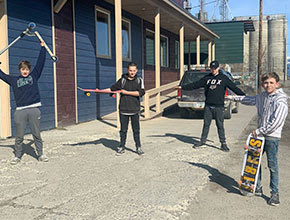
But the ministry of the 1001 community that provides food and care to skateboarders — and those who love them — continues.
Read more →
Links of Love
1001 coaches to complete certification
A cohort of 10 coaches from the 1001 coaching network were set to gather in April at Stony Point Center for the first of two coach certification intensives led by Laurie Ferguson. The COVID-19 outbreak forced our team to adapt and find another way for beginning the training together. Thanks to technology, the training will still happen as scheduled — but virtually — and by the end of this year, 10% of our coaches will be certified with this international credentialing body.

In response to the increased pressures felt by church leaders during this pandemic, 1001 is offering free coaching and spiritual direction sessions to its leaders. Coaches will be especially equipped for the targeted support this crisis demands.

Learn more by contacting Sean Chow.
Email Sean →
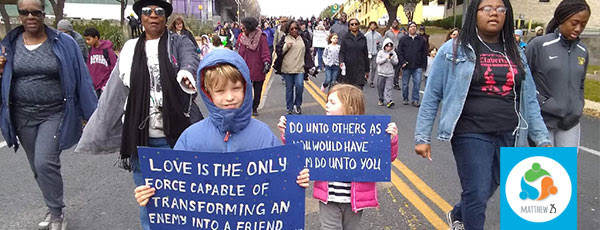
Matthew 25 Church
Become a Matthew 25 Church
Matthew 25:31–46 calls all of us to actively engage in the world around us, so our faith comes alive and we wake up to new possibilities. Matthew 25 is a bold new vision and invitation from the Presbyterian Church (U.S.A.) with over 460 congregations and mid councils that have already pledged to become a Matthew 25 church by working to build congregational vitality, dismantle structural racism and eradicate systemic poverty. We invite you to join us on this journey!
Find out how →
Links of Love
A paper chain built by Presbyterian generosity is unbreakable!
Our Links of Love special giving challenge celebrates our united and collective impact toward making a difference in the lives of others around the world. Get involved today.
Learn more →
Coronavirus/COVID-19 Resources for Congregations and Members
facebook twitter instagram instagram youtube
You are receiving this email because you signed up for information and resources related to evangelism and church growth

Presbyterian Mission, an Agency of the Presbyterian Church (U.S.A.)
100 Witherspoon Street Louisville, KY 40202
800-728-7228 | 502-569-5000
Website | Email | Privacy | Subscribe | Update your preferences

Minute for Mission: Season of Prayer and Reflection in the Korean Peninsula begins

A South Korean soldier (right) shakes hands with a North Korean soldier during an operation to construct a tactical road to support a joint ...