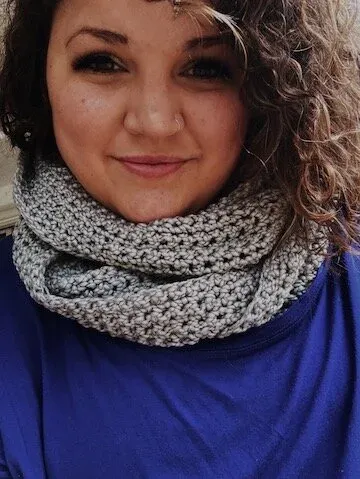
On ‘Between Two Pulpits,’ mission co-worker Cindy Corell discusses kidnappings, earthquakes — and Haiti’s remarkable people
March 19, 2022

Cindy Corell
Even as she’s been working stateside during the pandemic, mission co-corker Cindy Corell continues to walk alongside her Haitian partners. As a recent “Between Two Pulpits” broadcast made clear, Corell’s heart is very much in Haiti, especially following the kidnapping of 12 adults and five children connected with a U.S. missionary organization.
“It speaks to the security crisis in Haiti. Kidnapping is a lucrative industry,” Corell told “Between Two Pulpits” hosts Bryce Wiebe and Lauren Rogers. Wiebe is the former director of Special Offerings and the Presbyterian Giving Catalog, and Rogers is project manager for digital fundraising.
For young people in Haiti, which has been plagued by an earthquake and the assassination of its president, “there are no jobs, and their purchasing power has gone out the window.” People 25 and under comprise about half of Haiti’s nearly 11.6 million people, Corell noted.
“What fills in for a job? Gang activity,” Corell said. The church had been immune to threats of violence and kidnapping because spirituality, especially Christianity, is held in high esteem there, Corell said. But now, “a vanload of foreigners driving through, it just looked like an opportunity,” she said. “So many things in Haiti snowball. You have a totally chaotic and horrifying situation.”
“I am in deep prayer for these folks who have just been kidnapped. I hope there is a resolution that brings everyone back,” Corell said. “But this is an everyday experience for the mothers of Haiti. They fear when their children go to school. They deal with everyday stresses of living in a tough situation.”
It is “kinship around the harm that we invite the world to see and engage and be a means of grace within,” said Wiebe, who has traveled to Haiti and worked with Corell there. “I know that’s what our partners have asked from us.”
Corell said she still marvels at the trust given her by people in Haiti.
“People will ask my opinion about things. When I am wrong, they will tell me I’m wrong,” Corell said. “I am a white American who represents a large church and a lot of partners and friends. It would be easy for them to say, ‘We need to keep her happy.’ At FONDAMA [a network of farmer organizations where Jean works as executive director], I heard one time, ‘That’s the dumbest idea I’ve ever heard.’ They knew I wouldn’t get mad and storm out, but it takes time [to reach that point in a relationship].”
“This is a place,” Wiebe said of Haiti, “where our faith teaches us is due honor.”
It was Frederick Douglass who once said that Haiti was never forgiven for being Black, Corell said. “It is nuanced and complex,” Corell said, adding that Simón Bolívar, who played a crucial role in the South American independence movement, once visited Haiti “to learn how to bring freedom to his people.”
Ever since the Aug. 14 earthquake rocked Haiti’s southern, less populated region, FONDAMA and Presbyterian Disaster Assistance have of course been responding. However, “criminal activity has really slowed a lot of the response,” Corell said. Donations to PDA, which can be made here, will go toward mid-term and long-term response, Corell said.
But when gangs slowed help following the earthquake, “guess who brought the aid?” Corell said. It was Haitians helping Haitians. “They gathered food and produce. Local markets offered food,” Corell said. “People got on their hands and knees to dig their neighbors out, and it happens every day.”
Asked by Rogers about her hope for the Church, Corell said it’s that “we listen closely to Scripture and follow the spirit of the New Testament” and that we “look to and love one another and see within the other ourselves. Jesus is a great promoter of that kind of reflective theology,” where one finds grace, mercy and love.
She also prays “we can find the energy to push for that mutuality we need and truly follow Jesus. The people of Haiti do this well. My faith grows when I am with the people of Haiti. Let’s keep it simple. Let’s steep in it like a teabag, and I think we will all come out of it better.”
Mike Ferguson, Editor, Presbyterian News Service
Let us join in prayer for:
PC(USA) Agencies’ Staff
Karl Mattison, VP of Planning Giving Resources, Presbyterian Foundation
Jessica Maudlin, Associate, Sustainable Living & Earth Care Concerns, Presbyterian Hunger Program, Presbyterian Mission Agency
Let us pray
Gracious God, thank you for mission and ministry. By your Spirit guide all your people that your love and grace may abound as we faithfully follow where you lead. In Christ’s name we pray. Amen.