Faith and partnerships are playing an increasingly important role in standing up for the rights of Indigenous people impacted by mining, especially of critical minerals.
The bi-monthly “Centering Partners’ Voices” recently webinar featured Daniela Andrade of the Latin American Churches and Mining Network. Andrade was interviewed by the Rev. Jed Koball, a Lima, Peru-based Global Ecumenical Liaison for the Presbyterian Church (U.S.A.). The Global Solidarity Collective, an initiative of the Presbyterian Hunger Program, sponsored the webinar, the first offered in 2026.
“It is beautiful to be here sharing this morning,” Andrade said. “It gives us a lot of hope to talk with brothers and sisters who are united in this mission.” She said she spoke at the webinar “as a woman, a mother and a person of faith.”
During the pandemic, Andrade gave birth to her first child on Indigenous land that has been impacted by oil production. “I felt what it means to be abandoned by the state,” she said. “You can feel their idea of a model of development. It’s not for the people.”
“Oil and minerals are being extracted, but we don’t have the equipment to take care of women and children,” she said. “Their lives are at risk because of the water they drink.”
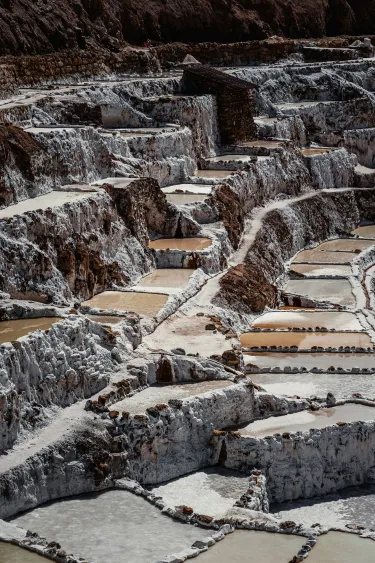
Peru is a top producer of copper, silver and zinc, and has significant deposits of lithium. American and Chinese companies have large mining interests there. Critical minerals are important for developing clean energy technologies, but environmental challenges related to their extraction remain problematic.
“This is not the first wave of extraction we’ve had,” Andrade said. “For the past hundred years, entire populations have disappeared due to extractivism. First it was wood, then oil, and now they are trying to bully the [Indigenous] territories. The value [of resources being mined] is very high, and that’s why it keeps being extracted, over and over. But people are rebelling and saying no to this.”
“Extraction hurts our bodies,” she said, “and its wounds run deep in our souls.”
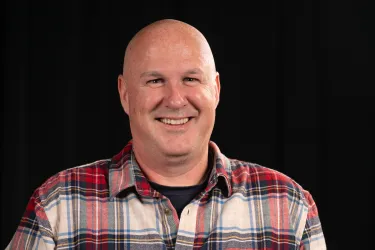
Koball called the extraction of critical minerals “a clash between two worlds. It’s not just taking resources — it’s hurting a relationship with the Earth that’s so valuable.”
Andrade said the more she works with Indigenous people, the more she learns from them. “I don’t defend the [Amazon] river just because it’s a space where we don’t want to see trash,” she said. “Obviously that’s part of the reason, but for the original people, it’s the strength of the river, the place where they go to heal diseases. It’s where the spirits gather, and it encompasses other types of life.”
“Imagine if my brother and sister live in the water — how damaged their lives are. Incarnating this truth is the main reason to defend life. It’s what unites people,” Andrade said. Indigenous people “gather around this topic no matter how strong the division is. For them, that’s the power of spirituality.”
For people in the resistance movement, it’s more than just fighting against companies and the state, she said. “It’s also joy and celebrating life, saying hi to your neighbor and celebrating different types of spirituality,” she said. She thanked the PC(USA) and other faith communities “for your commitment, including the empowerment of women so they can become activists.”
“I see spaces full of love and support by the church, which says, ‘We believe in what you can do and we’re going to support you,’” she said. “People are organized around their spirituality.”
For Koball, “imagining our future sharing a common home is a spiritual transformation.” He asked Andrade to outline some of the networks being built around Latin America.
“One of the actions that brings the most hope is connection — creating networks and believing in the power of the networks when it comes to resistance,” Andrade said. It requires cooperating for “a common fight that is organized, finding motivation in the stories of others and promoting their resistance.”
The Latin American Churches and Mining Network has hosted healing and listening spaces for Indigenous women in Argentina and other countries. “It’s essential to gather and find similarities in the midst of our differences,” she said, calling spirituality “our common denominator. It’s where we find resistance and hope.”
Mike Ferguson, Editor, Presbyterian News Service (Click here to read original PNS Story)
Let us join in prayer for:
Laurie Newman, 1001 NWC Apprentice, 1001 New Worshiping Communities, Presbyterian Life & Witness
Peter Okyere, 1001 NWC Apprentice, 1001 New Worshiping Communities, Presbyterian Life & Witness
Let us pray:
Loving God, bless all the ways in which we live and move and have our being. Breathe in us new life and transform us in hope. We pray for the openness of your Holy Spirit. In Jesus’ name we pray. Amen.


No comments:
Post a Comment